|
● THE SPACE RACE // ISSUE 009 // TUESDAY, AUGUST 11, 2026
|

|
|
Archive · Shop · Membership · Join Free
|
|
Issue 009 · August 11, 2026
SpaceX earnings report shows it spent 10x more on AI than rockets.
|
|
Morning, crew. SpaceX just opened its books for the first time as a public company, and last quarter it spent more than ten times as much building AI data centers as it did building rockets. We pulled the key numbers from this week's Space Money newsletter that went out yesterday and shared some below. Then into this week's news, which includes a Chinese rocket exploding and a New Jersey roof that needs fixing. And don't forget to look up tonight. The Perseids peak overnight, the best meteor shower in years, bits of an old comet burning up as Earth crosses its trail. Let's get into it.
|
|
// SPECIAL REPORT · SPACE MONEY
Inside SpaceX's first quarter with the books open
SpaceX just filed its first quarterly report as a public company, and the numbers are enormous. Revenue hit $7.8 billion, up 92% in a year and well past the $6.9 billion Wall Street expected. Starlink doubled to 12 million subscribers, and the connectivity business alone threw off $1.66 billion in operating profit. The net loss shrank to $541 million from a billion a year ago.
Then the stock fell about 7%. Investors looked past the revenue and fixed on where the money's going. The rocket company put more than ten times as much into standing up AI data centers last quarter as it did into rockets. It's been a wild ride since, and on Monday the stock climbed back to touch its $135 IPO price before easing off. That's the tension worth watching, and it's the one we dug into in this week's Space Money.
|
|
|
// CAN'T MISS
Five Must-Reads of the Week
|

The Long March 7A breaks apart in a fireball moments after lifting off from Wenchang on August 10 · Credit: South China Morning Post
| 1 |
A Chinese rocket exploded on launch yesterday
SPACE.COM · 2 MIN
A Long March 7A lifted off from Wenchang on August 10 and broke apart less than 90 seconds later, falling back in a fireball with what's reported to be a military communications satellite, Zhongxing-4B, on board. China hasn't said much yet, which is normal for a failure like this. It's a rare stumble for a program that's been launching at a record pace all year.
|
What now?
The prime suspect is the YF-100, the engine that powers most of China's modern rockets. That includes the Long March 5 due to send the Chang'e 7 lander to the Moon's south pole in about two weeks. If investigators trace the failure to that engine, the Moon launch, and a chunk of China's schedule, could slip while they sort it out.
|
READ IT →
|
|
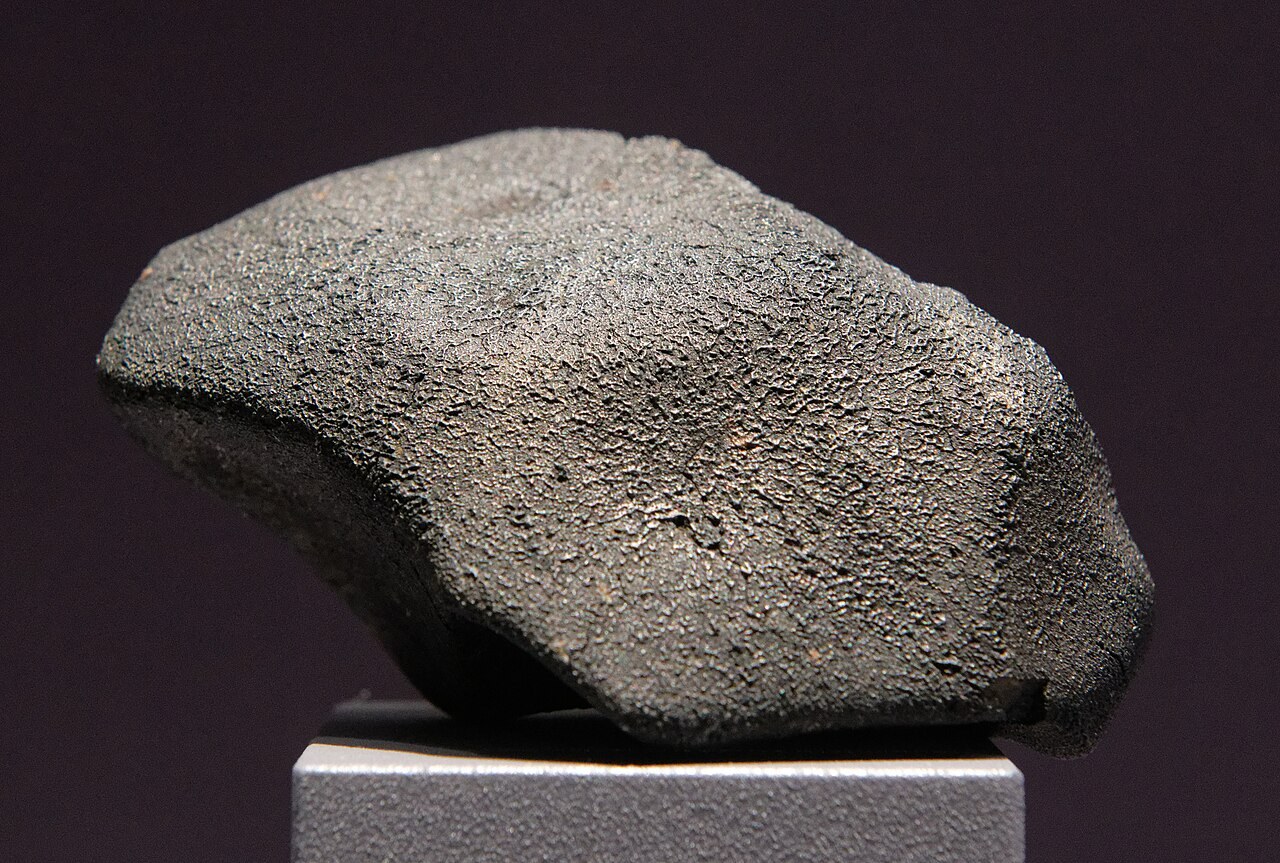
A carbonaceous chondrite (the Murchison meteorite, same family as the New Jersey rock) holds amino acids and other building blocks of life · Credit: Marie-Lan Taÿ Pamart / Wikimedia (CC BY 4.0)
| 2 |
The meteorite that hit a New Jersey roof is full of the stuff of life
PHYS.ORG · 3 MIN
In July 2024 a rock punched through the roof of a house in Hillsborough, New Jersey. Scientists have now had time to cut it open, and it turns out to be a carbonaceous chondrite, one of the oldest kinds of material in the solar system. Inside they found amino acids, other organic compounds, and signs that briny water once soaked through its parent asteroid. Those are the raw ingredients life is built from. It doesn't mean the rock carried life, but bodies like this one may have delivered the starter kit to a young Earth. Not bad for something that ruined a roof.
READ IT →
|
|
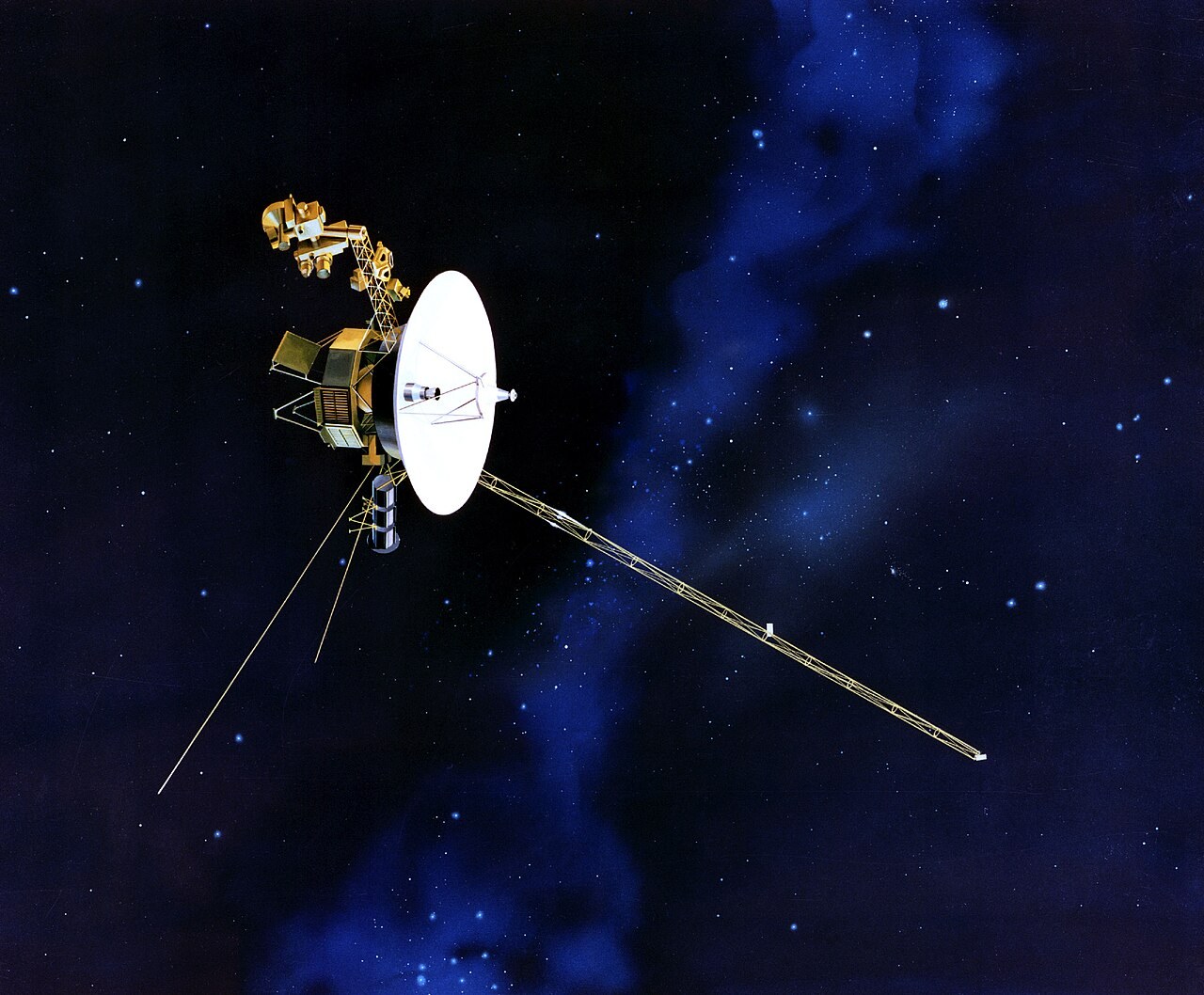
An artist's concept of Voyager, launched in 1977 and still returning data from interstellar space · Credit: NASA/JPL
| 3 |
NASA just bought Voyager 2 another year of life
NASA JPL · 3 MIN
Voyager 2 launched in 1977 and is now more than 13 billion miles away, running on a nuclear battery that loses about 4 watts of power every year. To keep it going, engineers just switched off another system and reworked how the spacecraft heats itself, freeing up enough power to run its science instruments about a year longer than planned. There's no fixing anything out there and no spare parts, so every one of these moves is engineers buying time by hand, one watt at a time. It's still the farthest human-made object phoning home, and now it'll keep doing it a little longer.
READ IT →
|
|
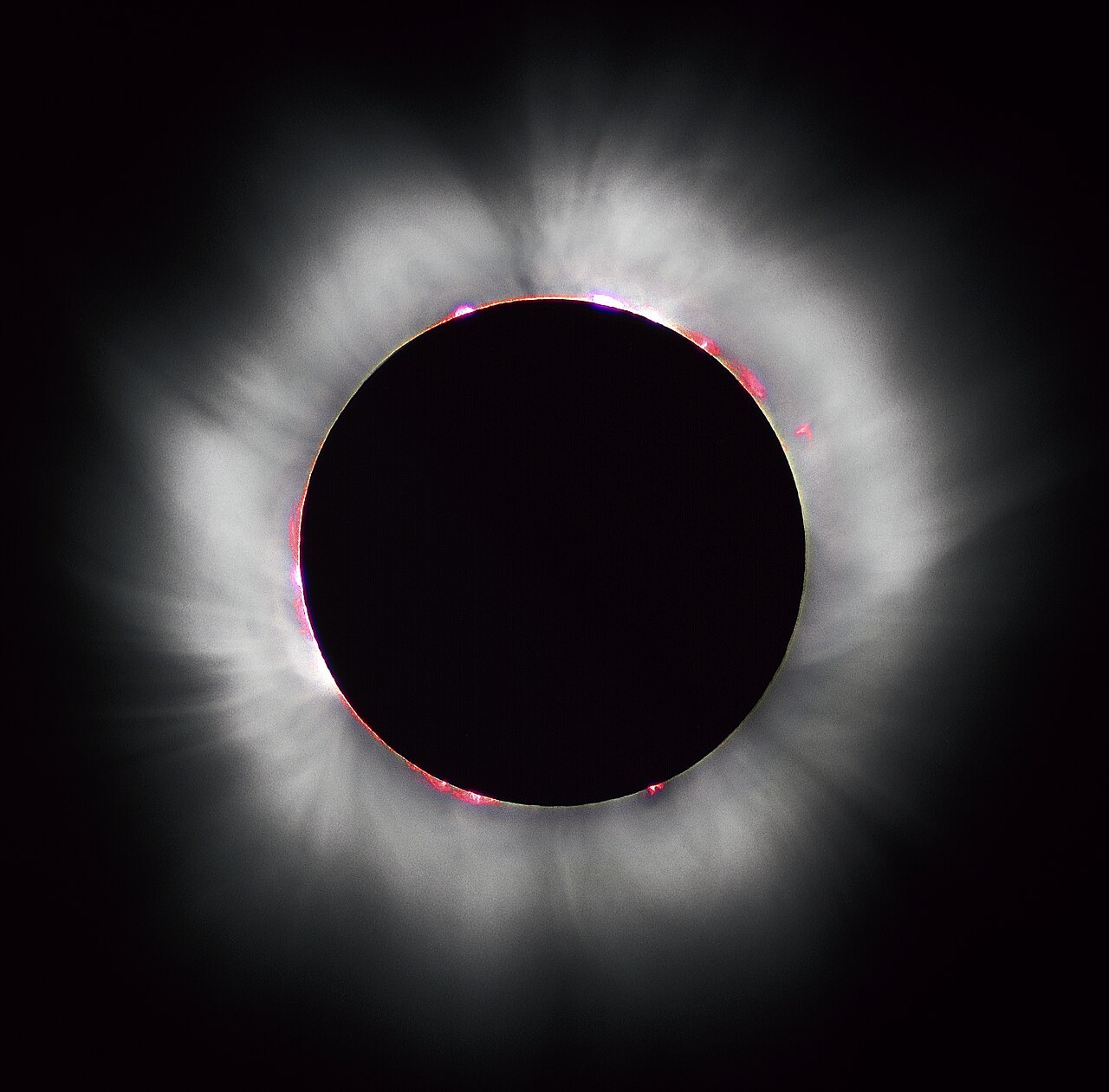
Totality during the 1999 eclipse, the last one over mainland Europe. The corona and pink prominences only show when the disk is fully covered · Credit: Luc Viatour / Wikimedia (CC BY-SA 3.0)
| 4 |
A total solar eclipse crosses Europe tomorrow
NASA · 3 MIN
Tomorrow, August 12, the Moon's dark shadow races across Greenland, Iceland, and a slice of northern Spain, and for a couple of minutes day turns to night. It's the first total solar eclipse to touch mainland Europe since 1999, and the first over Spain since 1905, so millions of people are planning their whole day around roughly two minutes of totality. NASA is sending aircraft up to study the Sun's corona while the disk is blocked, the one moment that faint outer atmosphere is easy to see. If you're not in the path, NASA streams it live starting 1:15pm ET. The photo above is from that 1999 eclipse, the last time Europe saw one like this.
READ IT →
|
|
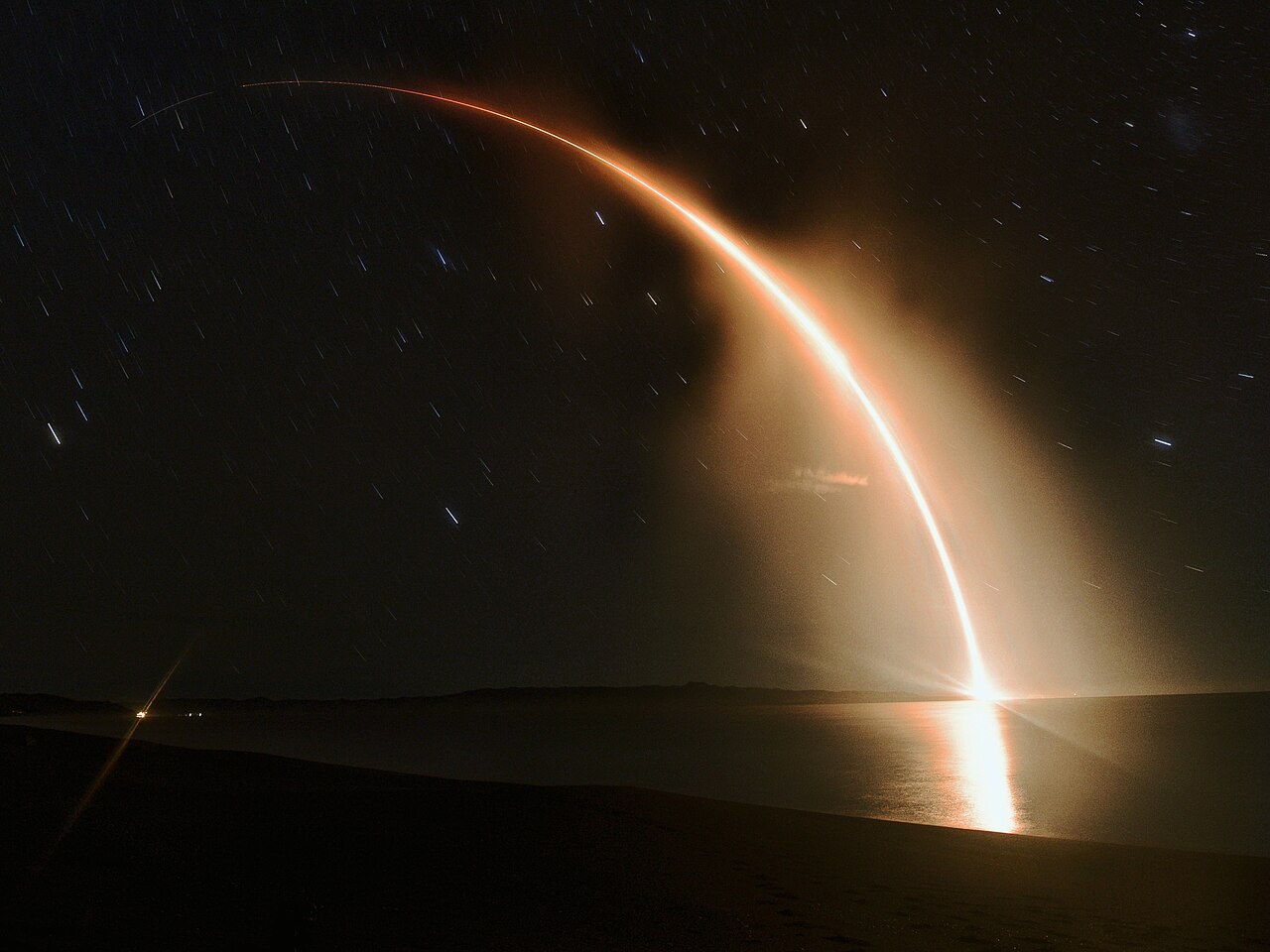
An Electron rocket climbs away from Rocket Lab's New Zealand pad. Its bigger sibling, Neutron, is the one the Space Force is betting on · Credit: Yourong F. Wang / Wikimedia (CC BY-SA 4.0)
| 5 |
Rocket Lab is booking huge defense money on a rocket that hasn't flown
ROCKET LAB · 3 MIN
Rocket Lab is best known for its small Electron rocket, but the real story right now is Neutron, the much bigger rocket it hasn't launched yet. In the past two weeks the company won more than $663 million in Space Force contracts, and one $397 million deal names Neutron as the rocket that'll fly a fleet of missile-tracking satellites. On Monday Rocket Lab backed that up with a record quarter. Revenue hit $234 million, up 62% from a year ago, on a record $2.36 billion backlog, and it guided to another record in Q3. Neutron itself still hasn't flown, with a first launch targeted before the end of 2026. So the US military is betting serious money on a rocket that's never left the ground.
READ IT →
|
|
|
// QUICK HITS
Mission Log
|
 |
| ● | NASA's MAVEN orbiter caught Mars lighting up with auroras made the same way Earth's are, charged particles from the Sun slamming into the air. On Mars they glow in patches, wherever the planet's leftover crustal magnetism still grabs hold. |
| ● | A new study says listening to moonquakes could help find water frozen under the lunar surface. The way the ground shakes changes when there's ice mixed in, which would be a cheap way to scout the south pole everyone's racing toward. |
| ● | Researchers ran the numbers on metal-rich asteroids and think a future Mars base could mine them for building material, using spacecraft close to what we can already build. Still a paper, not a plan, but a tidy one. |
|
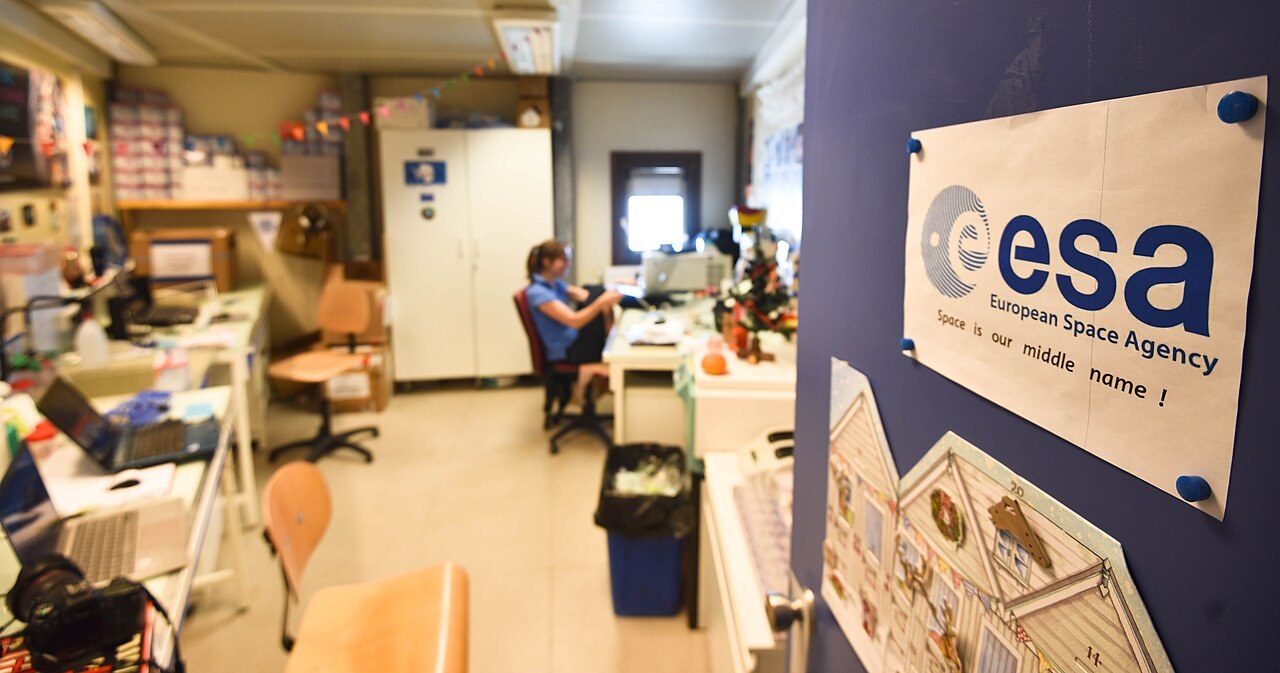
Inside the ESA-run lab at Concordia, one of the most isolated stations in Antarctica · Credit: ESA / Wikimedia (CC BY-SA 2.0)
|
// WILD SPACE OF THE WEEK
The hardest part of going to Mars might be the other people
A dozen people, one base, ten months of darkness and no way out. A new study followed a crew wintering over at a station in Antarctica, about the closest thing on Earth to a long deep-space mission, and tracked how they held up. Over the months the crew slowly pulled in on itself, coordination frayed, and small frictions grew. NASA and others study these winter-overs on purpose, because the rocket science is arguably the easy part. Keeping a handful of humans sane and working together for a two-year round trip to Mars is the problem nobody has cracked. Read it →
|
 |
|
|
|
// FROM OUR YOUTUBE CHANNEL
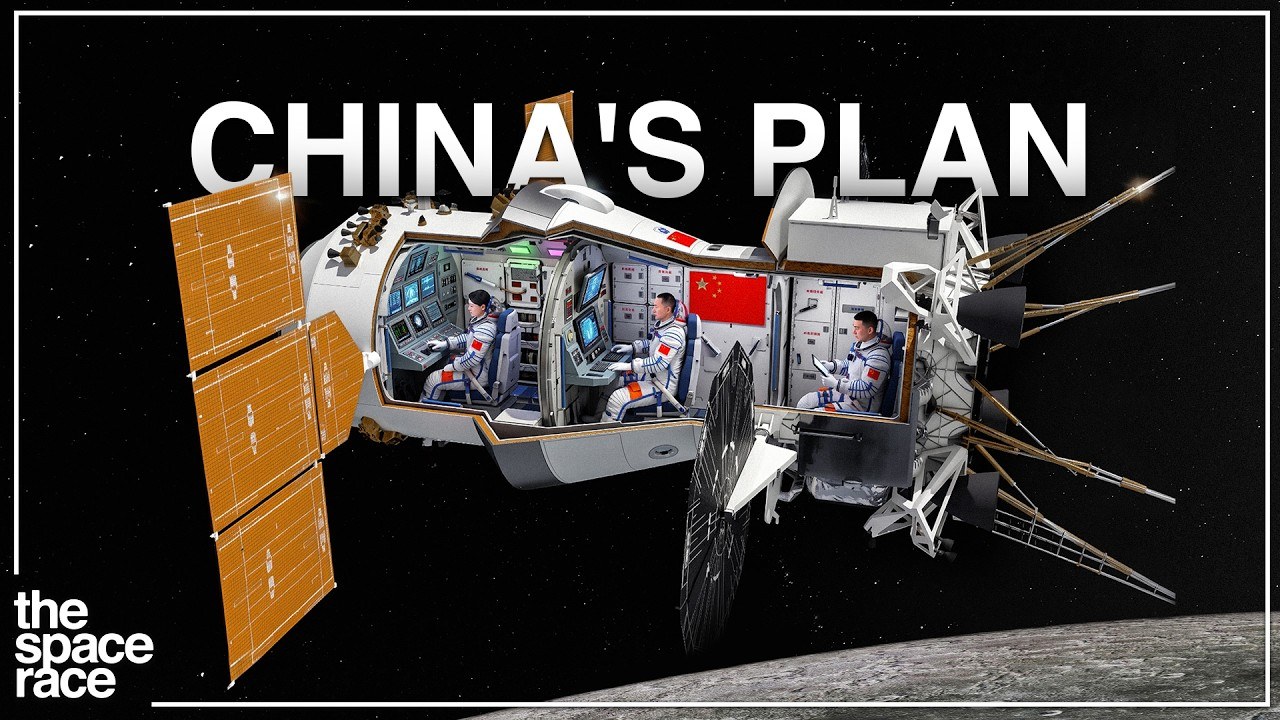
What Is Actually Happening With China's Artemis Mission
With a Chinese rocket failing this week, here's a look at what China's actually building in space. Our newest video breaks down China's crewed Moon plan, how close it is to putting people on the surface, and how it stacks up against NASA's Artemis. Watch on YouTube →
|
|
// FROM ELON'S SIDE HUSTLE
Three posts worth your scroll. First, a serious one. We're thinking of everyone in Canada and the western US living under this wildfire smoke right now.
 |
Collin Gross ✓
@CollinGrossWx |
··· |
Impressive NASA visualization showing the extensive transport of wildfire smoke from Canada and the western U.S. from mid-July to August 5th.
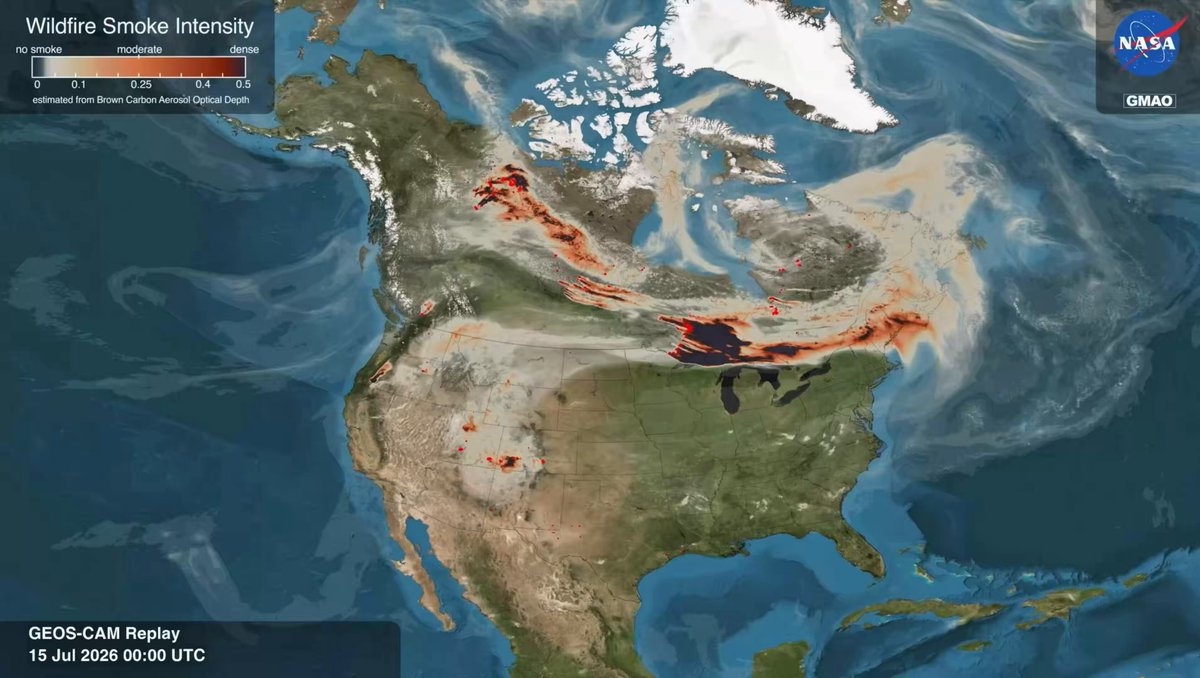 ▶ Video
Aug 9, 2026 · View on X
|
 |
SpaceX ✓
@SpaceX |
··· |
The SpaceX Recovery team is still working to recover Flight 13’s Starship from the Indian Ocean. They’ve been overcoming challenging conditions and increasingly rough seas as they attempt to guide the 52m long spacecraft to port
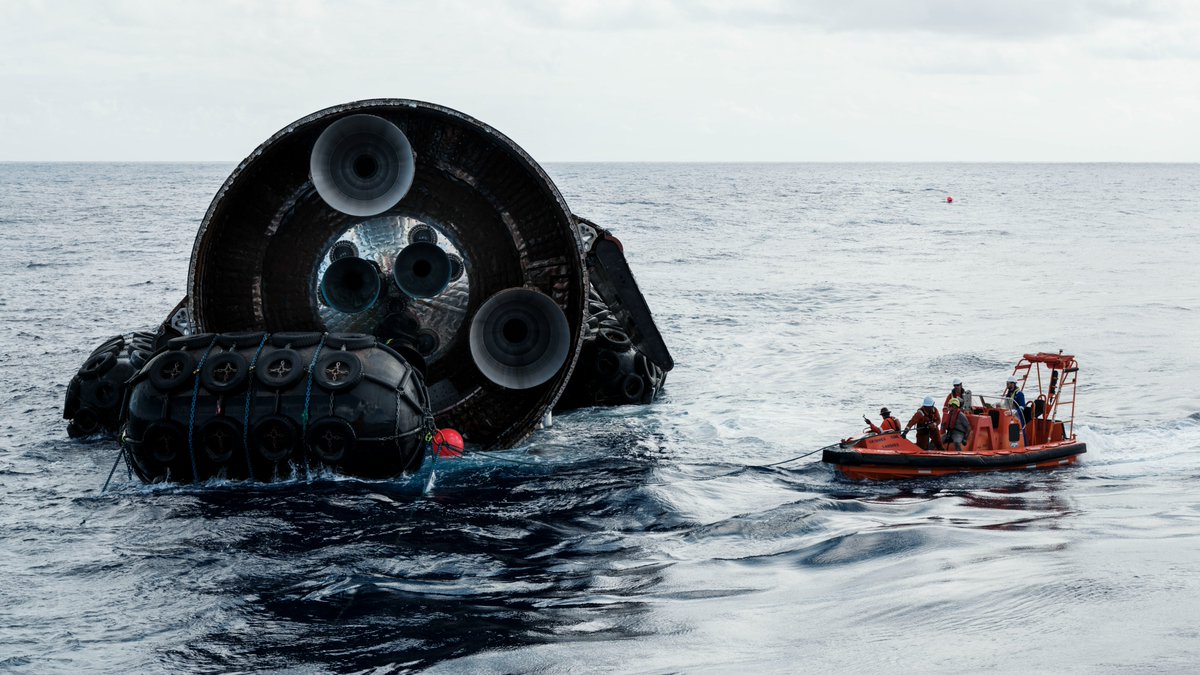
Aug 7, 2026 · View on X
|
 |
SPACE.com ✓
@SPACEdotcom |
··· |
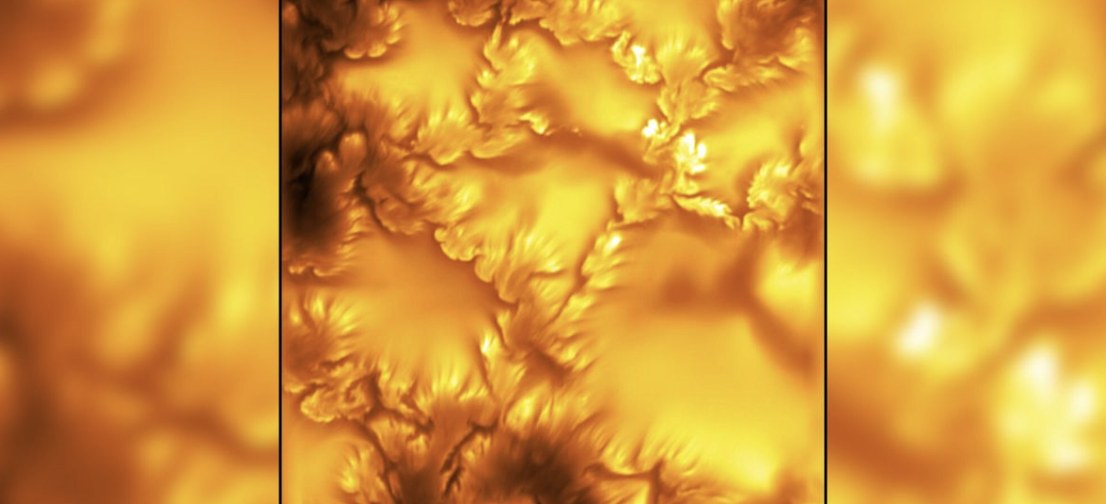
An international team of researchers using the U.S. National Science Foundation's Inouye Solar Telescope has captured the highest-resolution view of the sun's surface.
Aug 10, 2026 · View on X
|
|
|
// MAKE IT MAKE SENSE
Why does a total eclipse only touch a thin ribbon of the planet?
The Moon is small compared to the Sun, so the shadow it throws that fully blocks the Sun, the dark inner cone called the umbra, is only about 100 miles wide by the time it reaches the ground. As the Moon moves and the Earth turns, that little dot of full shadow draws a narrow path across the surface, and only people standing inside it see totality. Step a hundred miles to either side and you get a partial eclipse instead, the Sun with a bite taken out of it. That's why people fly across the world to stand in a strip of shadow for two minutes.
 Dinner Table Nugget: the whole thing runs on a cosmic coincidence. The Sun is about 400 times wider than the Moon, and also about 400 times farther away, so from Earth they look almost exactly the same size. That's the only reason the Moon can blot out the Sun so perfectly, and no other planet gets an eclipse quite like ours. Dinner Table Nugget: the whole thing runs on a cosmic coincidence. The Sun is about 400 times wider than the Moon, and also about 400 times farther away, so from Earth they look almost exactly the same size. That's the only reason the Moon can blot out the Sun so perfectly, and no other planet gets an eclipse quite like ours.
|
|
|
// THE ARTIFACT
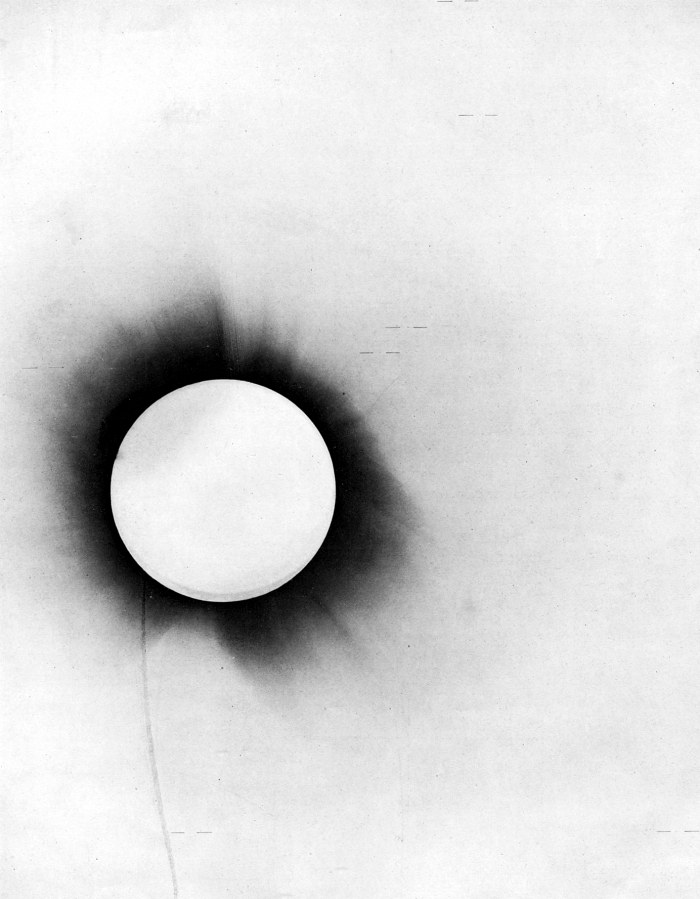
One of the original 1919 eclipse plates Eddington used to confirm Einstein's theory. The short marks flag the stars whose positions had shifted · Credit: Dyson, Eddington & Davidson, 1919 (public domain)
The photograph that made Einstein famous
On the morning of May 29, 1919, a British astronomer named Arthur Eddington stood on the tiny island of Príncipe off West Africa, waiting out a rainstorm, hoping the clouds would break for a total solar eclipse. They did, just long enough. He photographed the stars that appeared right next to the blacked-out Sun, and when he measured their positions, they had shifted, by almost exactly the amount Einstein's brand-new theory of gravity predicted. The Sun's mass was bending starlight. A few months later the results went public, and an unknown German physicist became the most famous scientist on Earth overnight. The plate above is one of those actual 1919 exposures, a smudge of a photo that rewrote how we understand gravity, taken during the same kind of eclipse Europe will watch tomorrow.
|
|
// WHAT TO WATCH
The (actual) Space Race Calendar
This week
| ALL WEEK | Falcon 9 keeps its Starlink run going, with launches every few days out of Vandenberg and Cape Canaveral |
On the horizon
| LATE AUG | China's Chang'e 7 heads for the lunar south pole to hunt for water ice, if this week's rocket failure doesn't push it back |
| AUG 30 | Roman Space Telescope launch · Falcon Heavy · NASA's dark-energy and exoplanet hunter |
| NET SEP | Starship Flight 14, SpaceX's next test of the full stack |
Look up · no telescope needed
| TONIGHT | Perseid meteor shower peaks overnight · up to ~100/hr with almost no moonlight this year. The best in years. |
| AUG 12 | Total solar eclipse · totality crosses Greenland, Iceland and Spain (NASA streams from 1:15pm ET) |
| AUG 14 | Jupiter and Mars sit close together in the east before dawn |
VIEW THE FULL CALENDAR →
|
|
// THE SPACE STATION
Your turn, what do you want more of?
Hit reply and tell us what landed and what didn't, launches, the money side, the science, the weird stuff. We read every one, and it shapes next Tuesday.
|
|
That's the week: a rocket down in China, Voyager 2 bought more time, and a total eclipse about to sweep Europe. Look up tonight for the Perseids. See you next Tuesday.
— Sean, Ted & The Space Race Crew
Gus set three alarms for the Perseids and still plans to nap through the first hour. Zorp booked a flight to Iceland for the eclipse, then remembered he can just see through the clouds.
|
The Tuesday weekly is free, forever. Go Pilot ($7/mo) for Space Money (our markets edition, twice a month) and the full searchable archive.
|
|
|
THE SPACE RACE
You're getting this because you signed up at thespacerace.news.
# · #
The Space Race ·
|
|